Call us: (505) 565-5272)
 Opening hours: Mon - Sat: 8:00am To 5:00pm



Preparing for Hail Season - A Guide to Vehicle and Property Damage Appraisals

The Importance of Hail Damage Appraisals
Every year, hail storms cause billions of dollars in damage across the United States. For residents and businesses in New Mexico, Texas, Arizona, and Oklahoma, hail season typically runs from March through September, with peak activity in May and June. Accurate appraisals of hail-damaged vehicles and property are essential for owners, insurance professionals, and businesses. Proper valuations ensure fair claim settlements, inform insurance coverage decisions, and assist in financial recovery after a storm. Understanding the appraisal process before a storm hits helps stakeholders act quickly and make informed decisions regarding these valuable assets.
Key Factors Influencing Valuation
Several critical factors impact the appraised value of hail-damaged vehicles and property:
-
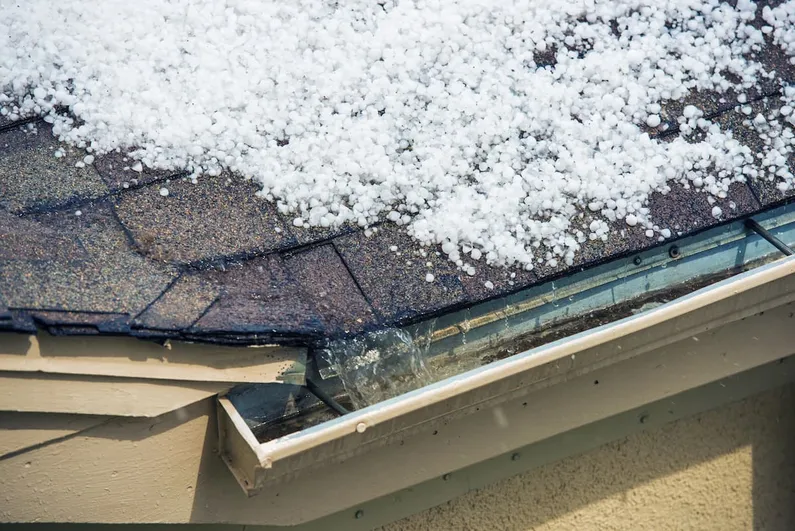
Severity of Damage: The size and number of dents, along with any structural or glass damage, directly impacts the claim value. Damage can range from minor cosmetic dents to shattered windshields and compromised roofing.
-
Age and Condition: Newer vehicles and well-maintained properties in excellent pre-storm condition typically have higher claim values.
-
Repair Method: Paintless dent repair (PDR) is generally less costly than conventional body work for vehicles, and the chosen method affects the total estimate.
-
Pre-existing Damage: Any damage present before the hail event must be identified and excluded from the claim to ensure an accurate valuation.
-
Market Demand: High demand for specific vehicle types or properties in certain areas can influence the overall valuation.
-
Geographic Location: Repair costs and labor rates vary by region, which affects the overall appraisal amount.
Appraisal Methods
Appraisers utilize various methods to determine the value of hail damage claims:
1. Sales Comparison Approach
This method involves comparing the subject vehicle or property to similar assets that have recently sold, considering factors like make, model, age, condition, and the extent of hail damage sustained.
2. Cost Approach
This approach calculates the cost to repair or replace the damaged components, subtracting depreciation based on age, usage, and condition. For vehicles, this includes body panel repair, paint work, and glass replacement. For property, it covers roofing, siding, windows, and exterior equipment.
3. Total Loss Assessments (ACV)
Total loss valuations determine if repairing a vehicle costs more than its Actual Cash Value (ACV), often triggered when repairs exceed 70-80% of the car’s pre-accident worth.
Importance for Insurance and Financial Planning
Accurate hail damage appraisals are vital for:
-
Insurance Coverage: Ensuring appropriate claim settlements and preventing undervaluation of storm damage to vehicles and property.
-
Financial Recovery: Providing precise damage valuations that help owners recover the full cost of repairs and lost asset value.
-
(ACV): Determining the vehicle’s Actual Cash Value after hail damage.
Best Practices for Owners and Appraisers
To maintain or determine accurate valuations after hail damage:
-
Document Before the Storm: Take dated photos and videos of vehicles and property before storm season to establish a baseline condition.
-
Act Quickly: Schedule an appraisal as soon as possible after a hail event to capture all damage before any deterioration or unauthorized repairs occur.
-
Maintain Records: Keep detailed service records, repair receipts, and insurance correspondence related to the hail event.
-
Consult Professionals: Engage certified independent appraisers for unbiased and accurate valuations that are legally defensible.
Conclusion
Hail season presents a real financial risk for vehicle and property owners across the Southwest. Accurate appraisals are essential for insurance purposes, financial recovery, and informed decision-making. By documenting assets before a storm, acting quickly after hail damage, and consulting with professional appraisers, stakeholders can ensure fair valuations and protect their investments.
For professional hail damage appraisal services or consultations, contact Alliance Appraisals at (505) 565-5272 or visit our contact page.
Learn more about our Auto & Light Truck Appraisals and Property Appraisals.